Crafting for Kids: Why it Matters and How it Can Help Them Grow
As a parent, you are always on the lookout for ways to help your child develop into a well-rounded individual. There are countless options out there, from sports to music lessons to academic enrichment programs. But what about crafting?
Crafting, or the act of creating something with your hands, has been a beloved pastime for centuries. From sewing to painting to woodworking, there are countless ways to get creative. Crafting is not just a fun hobby. It can actually have a significant impact on your child's mental and physical health.
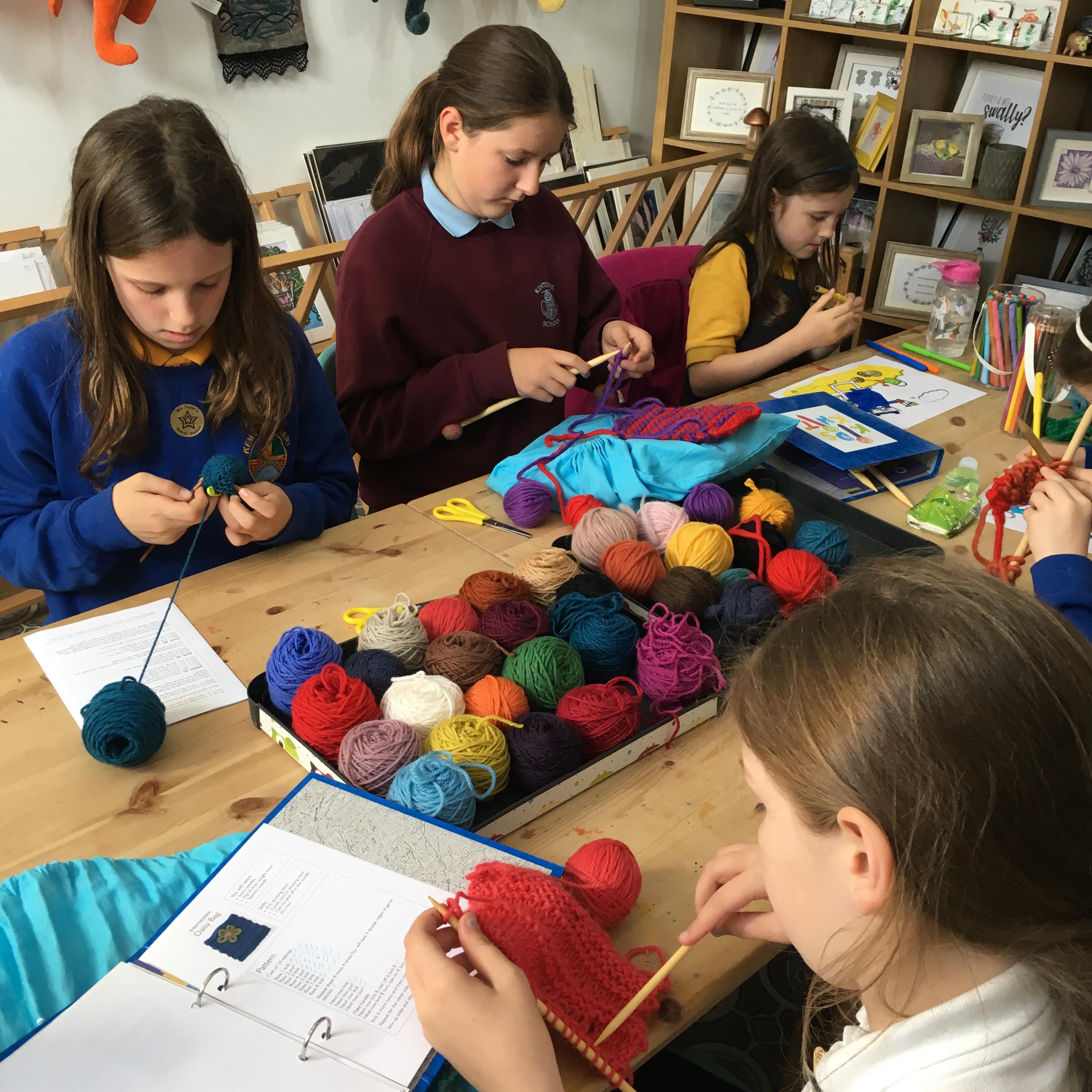
In fact, a 2019 BBC survey found that creative activities can help manage mood and boost wellbeing. Crafting can act as a distraction from stress, promote contemplation and problem-solving, and build self-esteem and confidence. But the benefits don't stop there. Here are just a few reasons why crafting should be a part of your child's routine:
It helps develop fine motor skills
Crafting often involves working with small pieces or tools, which can help develop fine motor skills. Whether it's learning to hold a paintbrush or manipulate a piece of clay, your child's hand-eye coordination and dexterity will improve with regular crafting.
It encourages creativity and self-expression
Crafting is a wonderful way for your child to express themselves creatively. Whether they are painting a picture, sewing a costume, or building a birdhouse, they are free to use their imagination and make something unique. This can also help boost their confidence as they take pride in their creations.
It promotes mindfulness and relaxation
Crafting can be a meditative activity that promotes mindfulness and relaxation. When your child is fully engrossed in a project, they may experience a sense of calm and focus that can be hard to achieve in our fast-paced world. This can be especially beneficial for children who struggle with anxiety or ADHD.
It teaches problem-solving and perseverance
Crafting is not always easy – there may be setbacks and challenges along the way. But when your child learns to persevere and problem-solve through these obstacles, they are building important life skills. They will learn to think creatively and develop resilience in the face of adversity.
It provides a sense of accomplishment
There is nothing quite like the feeling of completing a project you have worked hard on. Crafting provides a tangible way for your child to see their progress and feel a sense of accomplishment. This can be especially meaningful for children who struggle with academic or social pressures.
So, what kind of crafting should your child try? Personally, we’re rather partial to woolly crafts, but the beauty of crafting is that there are so many options out there. Here are just a few ideas to get you started:
- Knitting, or crocheting - Explore our Kids Classes
- Sewing, or weaving - Explore our Kids Holiday Craft Sessions
- Painting, drawing, or colouring
- Woodworking or carpentry
- Clay sculpting or pottery
- Jewelry-making or beading
Ultimately, the key is to find a craft that your child enjoys and that helps them achieve their desired mental and physical health goals. Crafting should be a fun and rewarding experience, not a chore or a source of stress.
Crafting is a valuable tool for helping your child develop important life skills and maintain good mental and physical health. So why not encourage your child to pick up a crochet hook or a pair of knitting needles and see where their creativity takes them? They may just surprise themselves (and you) with what they can create. We’d be delighted to guide them on their way.
Thinking about exploring crafting with your child? Find out more about our Parent & Child classes.